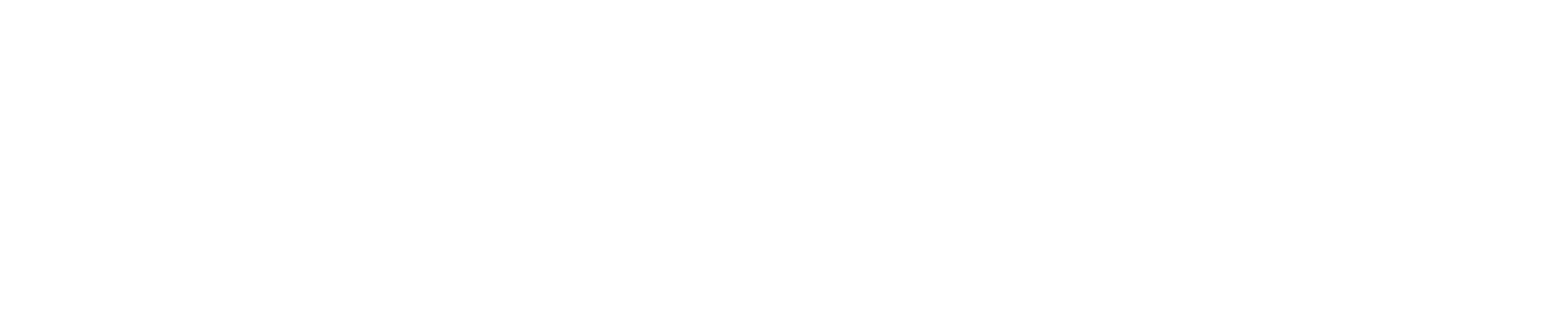
Fiona Schmiegelow
Principal Investigator

Fiona is a professor of wildlife and landscape ecology at the University of Alberta who is cross-appointed
to Yukon University and leads the Northern Systems Conservation Co-lab. Since 2004, she has lived in
the Yukon, where she directs the Northern Environmental and Conservation Sciences Bachelor of
Science Program, a partnership between UAlberta and YukonU. Her research addresses conservation
and management of northern systems, spanning consideration of wildlife species needs, through to
major drivers of landscape change, and the dynamics that connect them across scales. It involves
networks of colleagues with integrated research programs designed to fill knowledge gaps. The goal of
this work is to identify innovative approaches to sustaining adaptive, socio-ecological systems, in the
context of changing climates and governance structures. Fiona’s approach is highly collaborative,
involving a wide range of partners from Indigenous, government and non-government organizations,
and the private sector. She has chaired and contributed to numerous regional, national and
international science committees and advisory panels concerned with biodiversity conservation and
sustainable land use, and actively engages in related planning processes.
Our Team
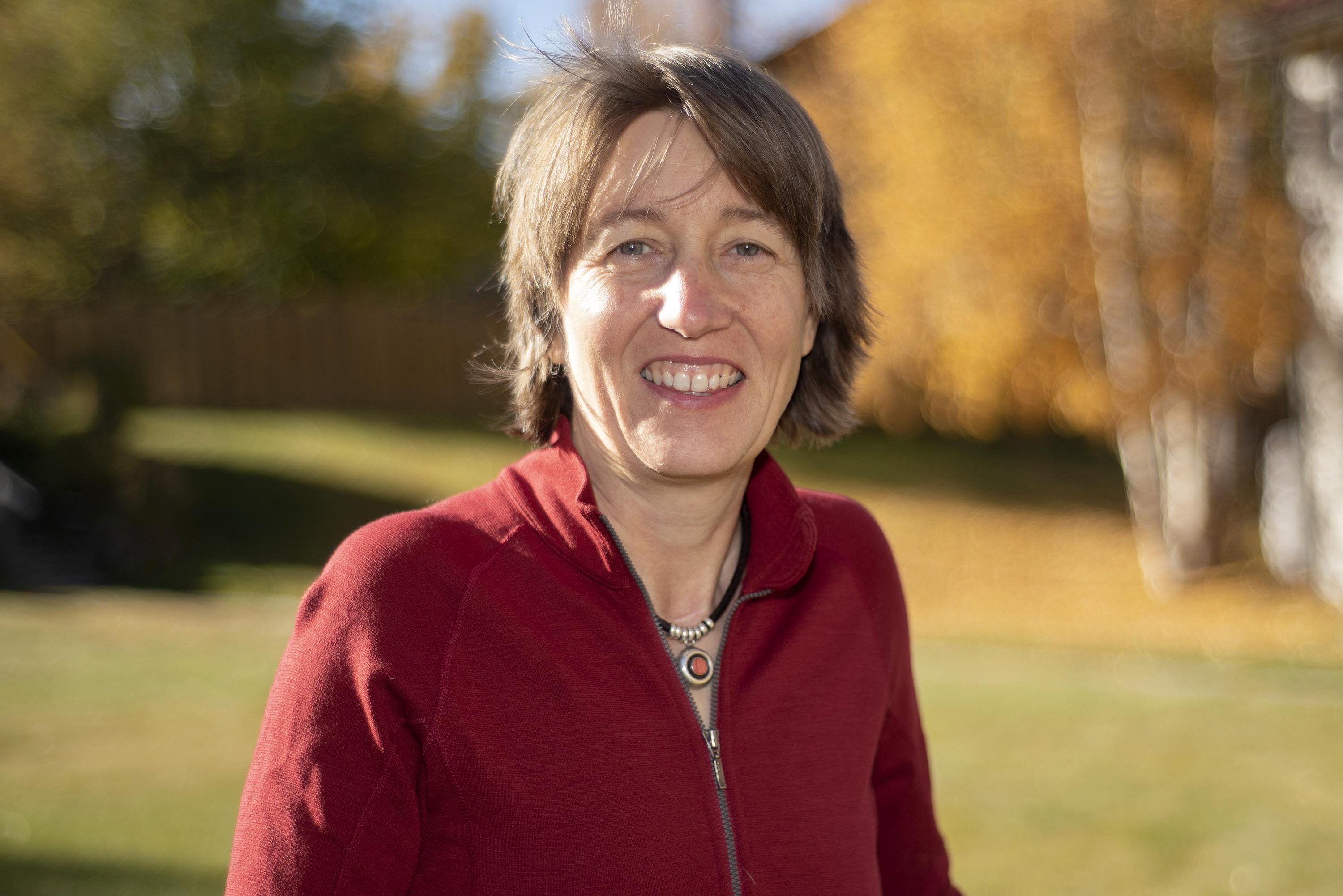
Kim Lisgo
BEACONs Project Manager & Instructor
Kim Lisgo is the project manager for the BEACONs Project and instructor in the Northern ENCS Program. Established in 2003, the BEACONs Project develops science-based methods and tools to support conservation and land planning and the maintenance of healthy lands and waters in large, intact boreal landscapes. For more information, visit the BEACONs Project website: www.beaconsproject.ca
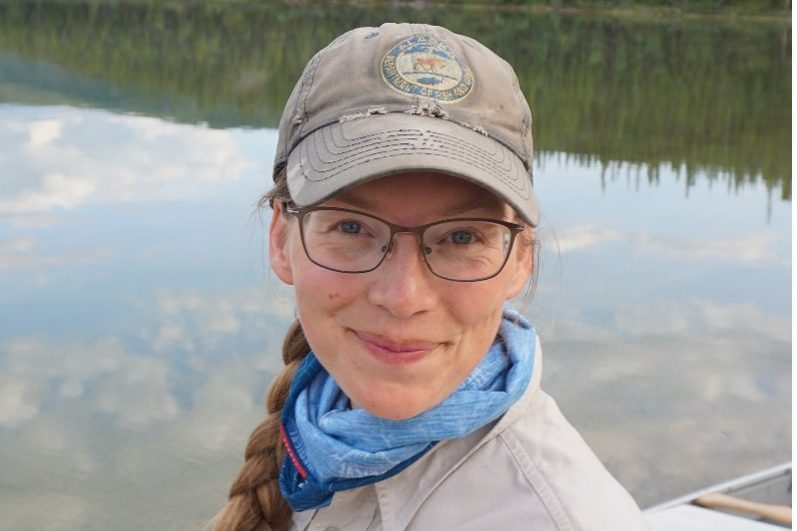
Krystal Isbister
PhD Student
Krystal grew up in Whitehorse and now lives in Kaska Dena Territory in Watson Lake. Her research aims to increase understanding of the social processes around reclamation in the Yukon, especially the setting of goals and objectives. She is particularly curious about the meanings of quartz mine reclamation “success” in the Yukon and how local expectations can be better incorporated into reclamation policy and practice.
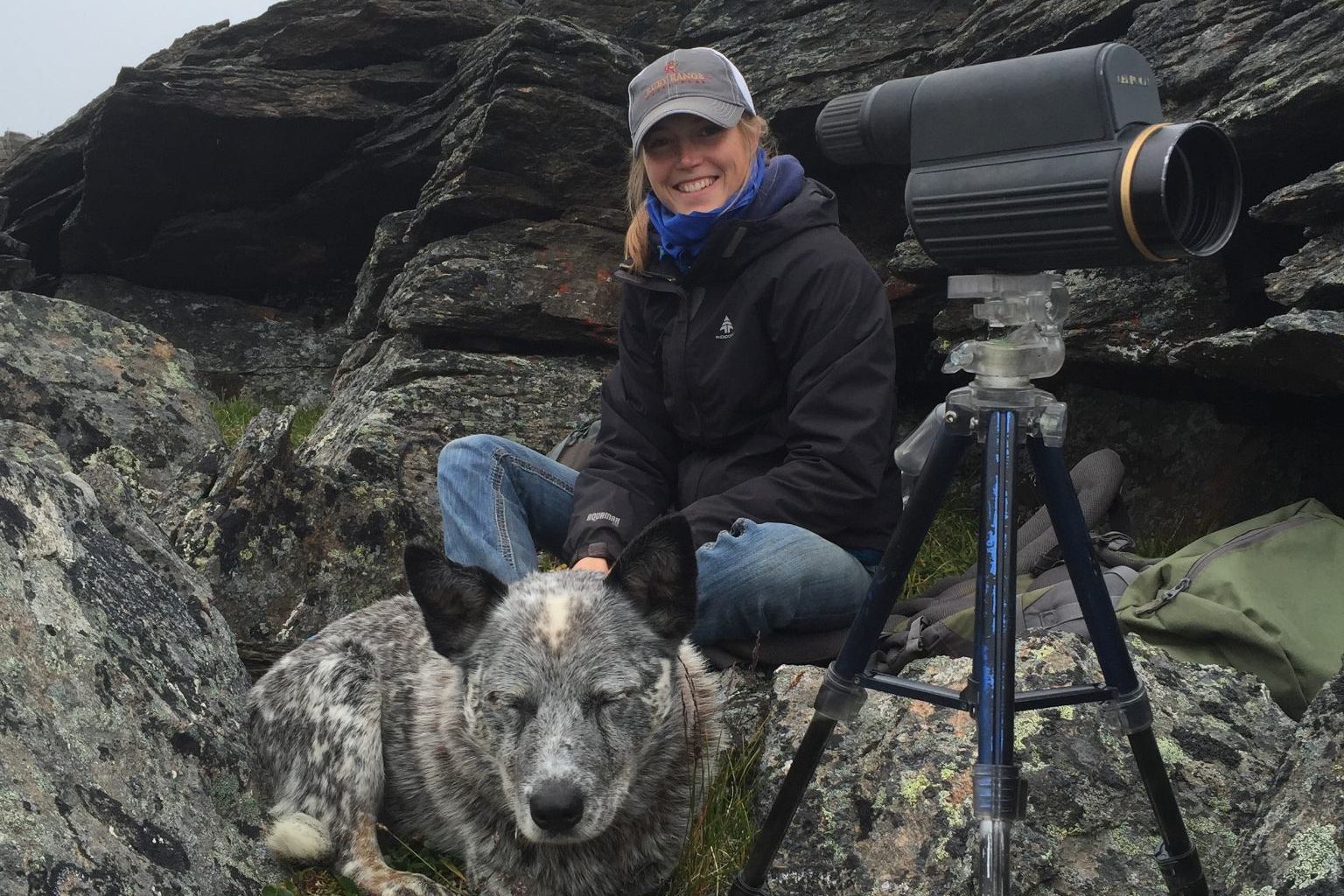
Maegan Elliott
MSc Student
Maegan was born and raised in the Yukon, and her love for the outdoors began as a child with many extended back-country horseback trips with her family. Maegan is looking at the effects of surface disturbance on Northern Mountain Caribou. Her research focuses on the Klaza and Clear Creek caribou herds in central Yukon. In her free time, Maegan can usually be found on horseback, exploring the Yukon with her dog, hunting with her husband, or working on their property.
Zach Fogel
MSc Student
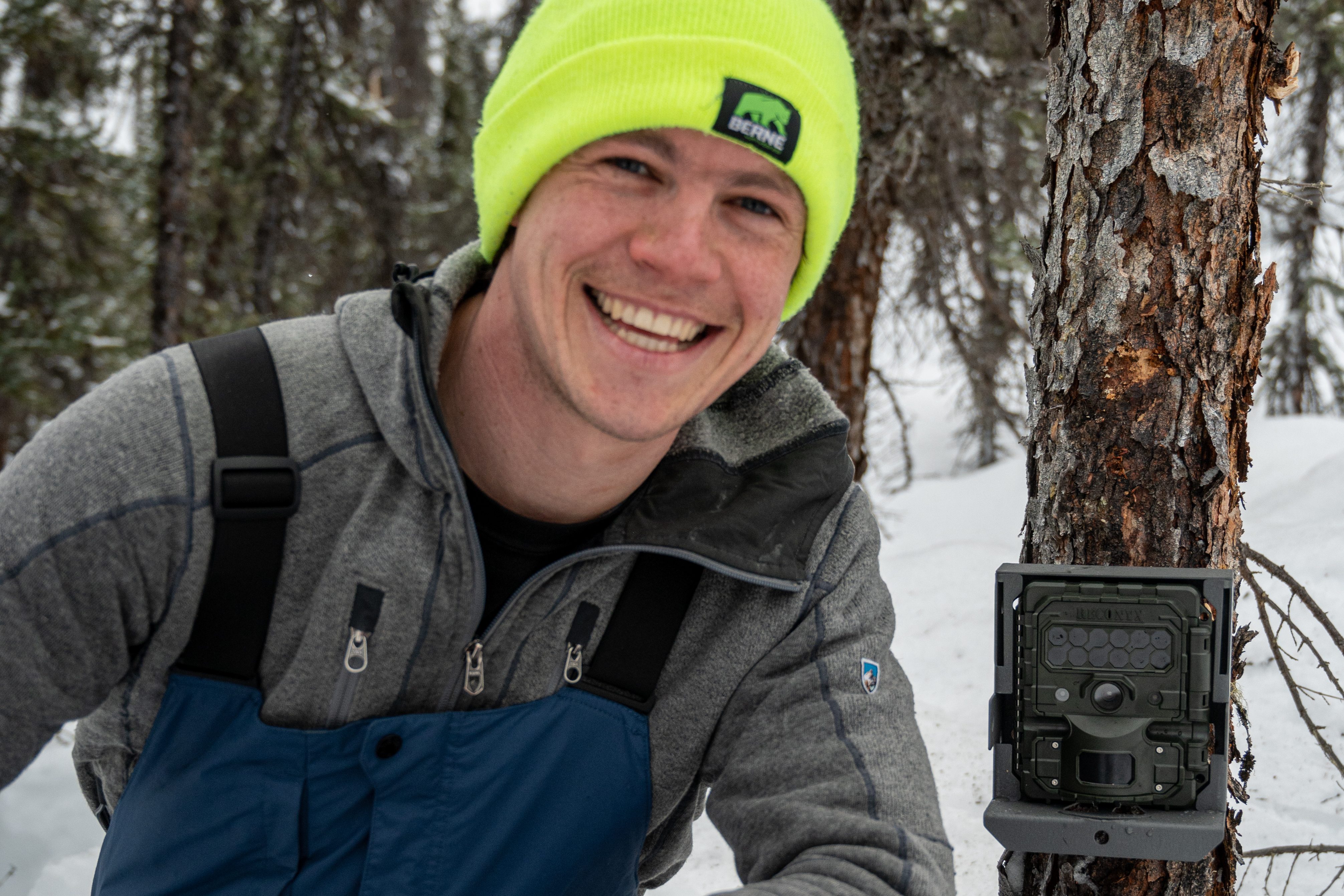
Zach is collaborating with Tr’ondëk Hwëch’in First Nation and Yukon Department of Environment to evaluate the effect of industrial mining on the abundance and distribution of wolverines and allied species in the Yukon South Beringia Priority Place using trail cameras, autonomous recording units (ARUs) and aerial imagery. His research will inform regional land use planning, promote compatibility between biocultural and economic interests, and support THFN’s stewardship of the land and its inhabitants.
Shyloh van Delft
MSc Student, University of Alberta
In Partnership with Yukon University
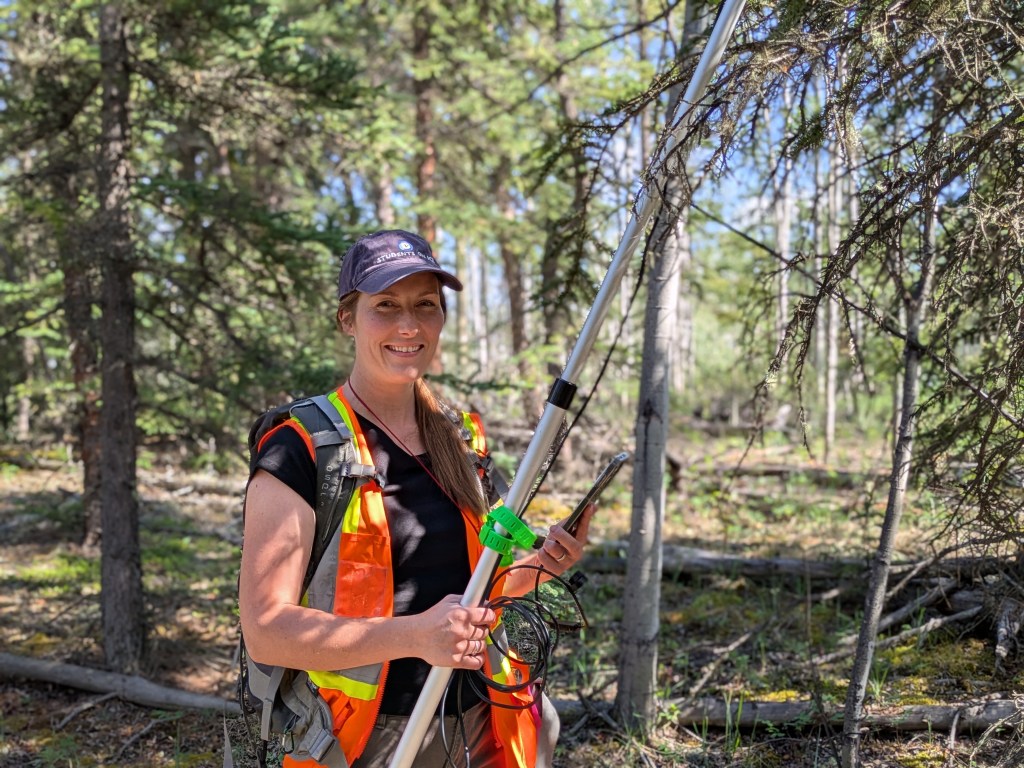
Shyloh is a MSc student with the University of Alberta, studying from her home in the Yukon Territory in partnership with Yukon University. A lifelong Yukoner and passionate naturalist, her deep connection to northern landscapes and communities has shaped her path in northern research. Her thesis was developed collaboratively with partners including the Ta’an Kwäch’än Council, Kwanlin Dün First Nation, Yukon Wildland Fire Management, Wildlife Conservation Society Canada, ECCC, and others, to address knowledge gaps and respond to community-identified priorities related to wildfire prevention.
Shyloh’s research focuses on the ecological effects of key wildfire mitigation strategies in the Yukon’s boreal forest. Specifically, she is investigating how wildlife species that depend on tree cavities respond to forest fuel reduction strategies such as FireSmart, shelterwood, and partial retention treatments. Her work will contribute to a deeper understanding of how these management strategies influence northern boreal ecosystems and will help assess their effectiveness in maintaining ecological resilience while safeguarding communities.
Gabe Rivest
Field Course and Outreach Coordinator & MSc Student
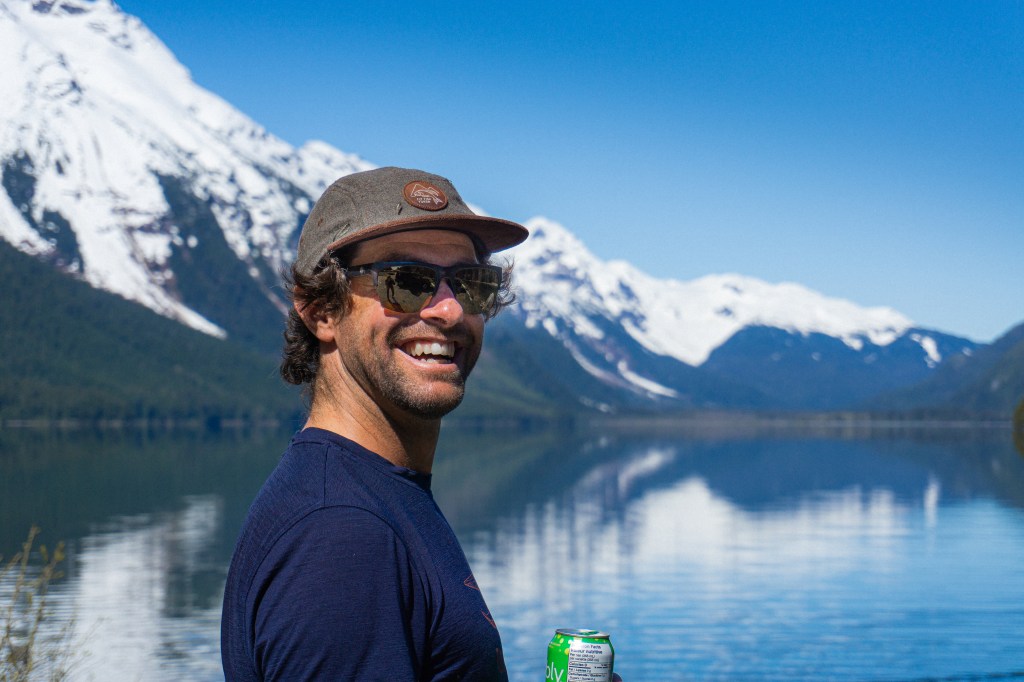
Gabe coordinates the winter, summer and fall ENCS field courses and provides support for the semester in the North program. Through his MSc, Gabe is investigating small mammal responses to forest fires. Before starting his work at the University of Alberta, Gabe worked as a biologist for consulting companies in the Yukon, focusing mostly on fish and wildlife. He also worked as a wilderness guide throughout the Territory, and as a film maker/photographer.
Nadele Flynn
PhD Student
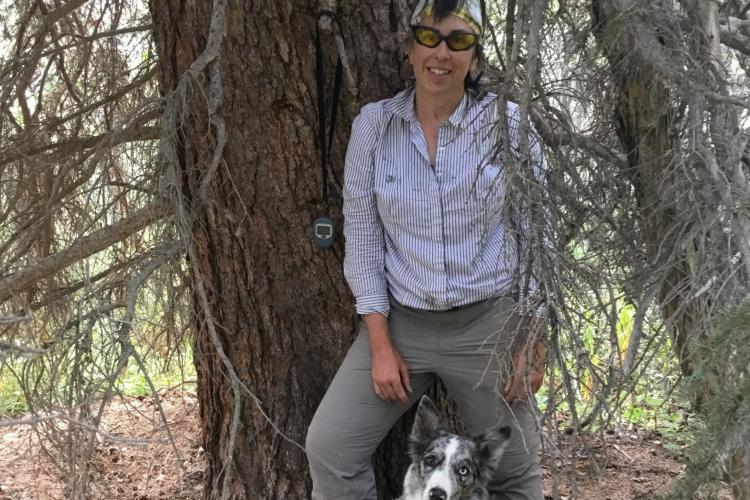
Nadele is studying how site-specific factors influence the vulnerability of tree species to climate variability across two climate regions. Since 2017, her project has collected and digitized over 3,000 tree core samples, with the objective of developing tools for managing climate change adaptation strategies. Nadele is developing an interactive place-based tool to predict how an area’s climate might align with its past or future states for a given tree species. Nadele is co-supervised by Dr. Andreas Hamann.

David Silas
MSc Student
David Silas is from Pelly Crossing, Yukon Territory and a member of the Wolf Clan, a part of the Selkirk First Nation, and from the Northern Tutchone language group in central Yukon. David’s grandparents on his mother side are David and Martha Silas and mother Pearl Silas; and on his fathers’ side Alex Van Bibber and father is Richard Van Bibber. In 2018 David finished a Bachelor of Science Degree with a major in Northern Systems and currently challenging a thesis-based master’s program with the University of Alberta. He was able to purse his educational journey at home, in the Yukon, which allowed him to stay near his community of Pelly Crossing. This allowed him to connect with his culture, traditions, and land. As an active Canadian Ranger 1-CRPG for 14 years, David enjoys spending time with friends and family doing season harvesting activities on the land. David views education as a steppingstone for First Nations to get involved in their community and make difference where they can.
Hugues Bernasconi
MSc Student
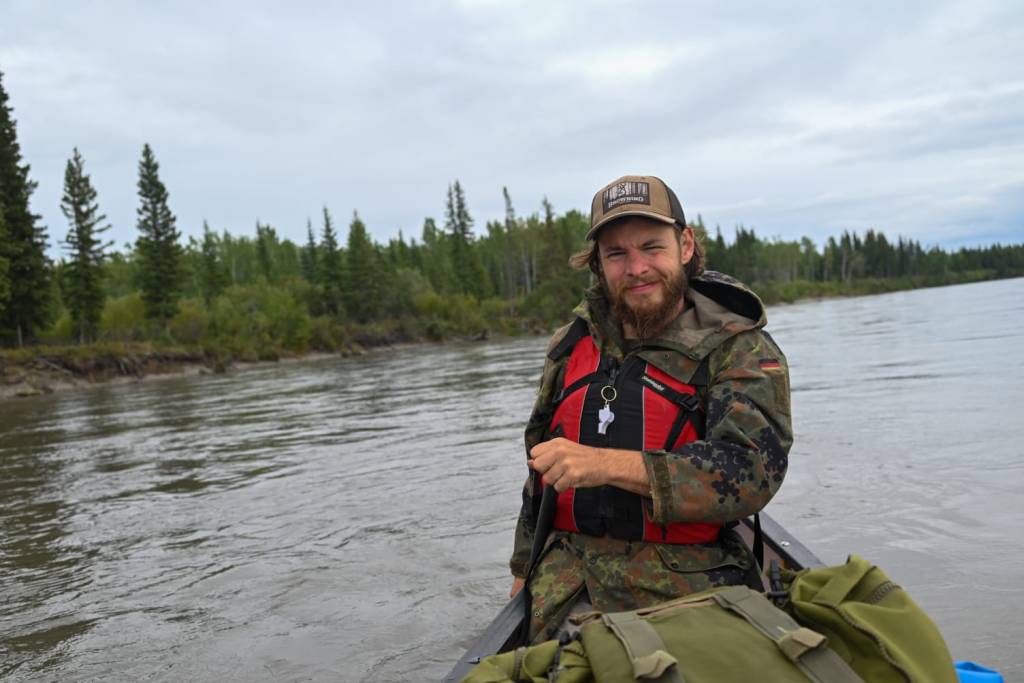
Hugues is an international graduate student from Switzerland with a background in microengineering. As a person of foreign origin, grounding his work in place-based values has been his tenet. Specifically, he’s been working in collaboration with Tr’ondëk Hwëch’in First Nation, with whom the objectives of his thesis have been defined. His master’s pertains to the monitoring of culturally significant species using alternative non-invasive methodologies in the context of land guardians programs.
Alyssa Bergeron Davies
MSc Student
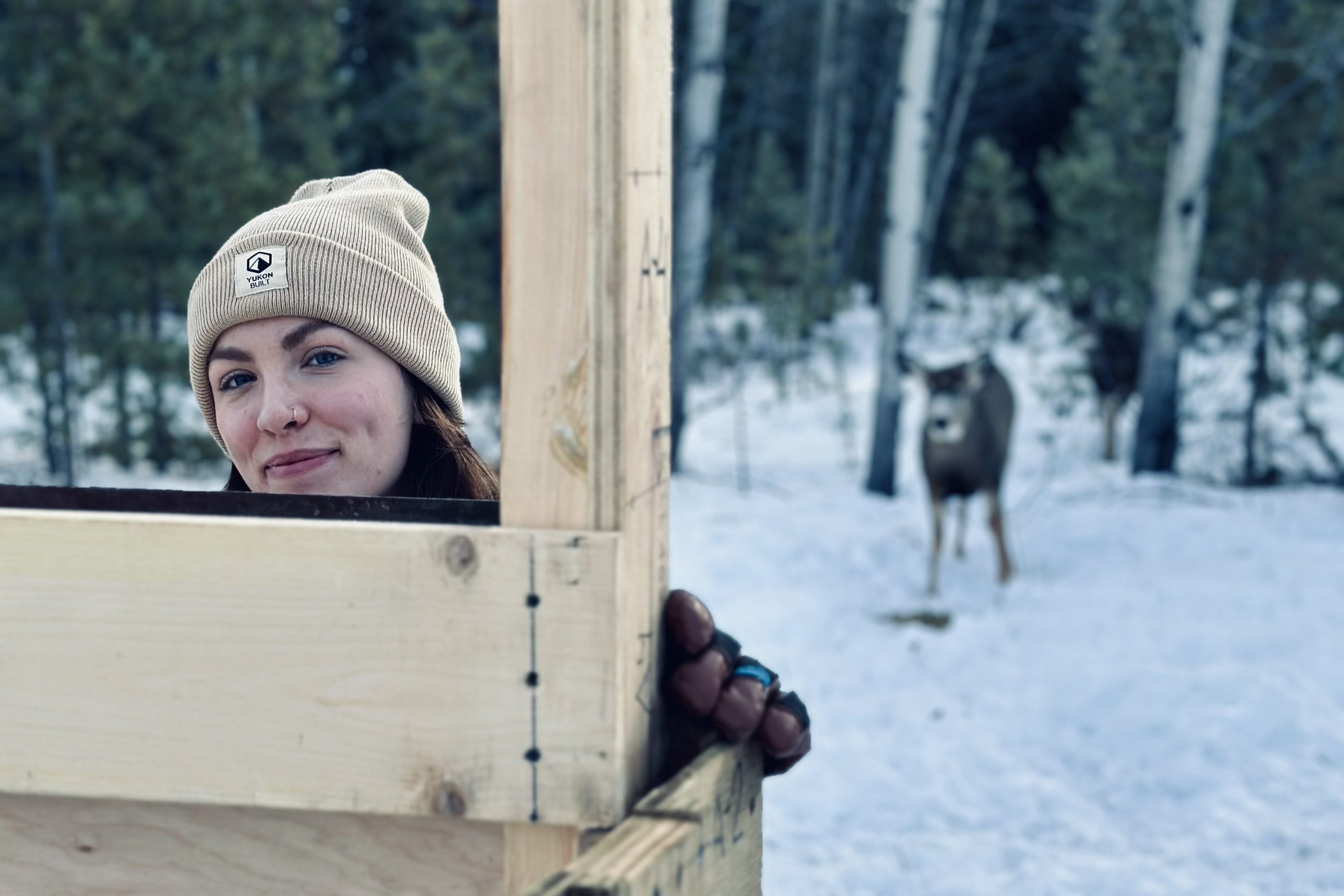
Alyssa was born and raised in Watson Lake and now lives and works in Whitehorse as the Moose/Deer/Elk Program Technician for the Yukon Government. Her research is centered around mule deer habitat selection and movement, using location data from collared mule deer within the greater Whitehorse area to identify wildlife corridors. Her research will inform future management decisions. Alyssa is co-supervised by Dr. Sophie Czetwertynski, an Ungulate Biologist for the Yukon Government.
Paul McCarney (He/him)
Research Professional & Instructor
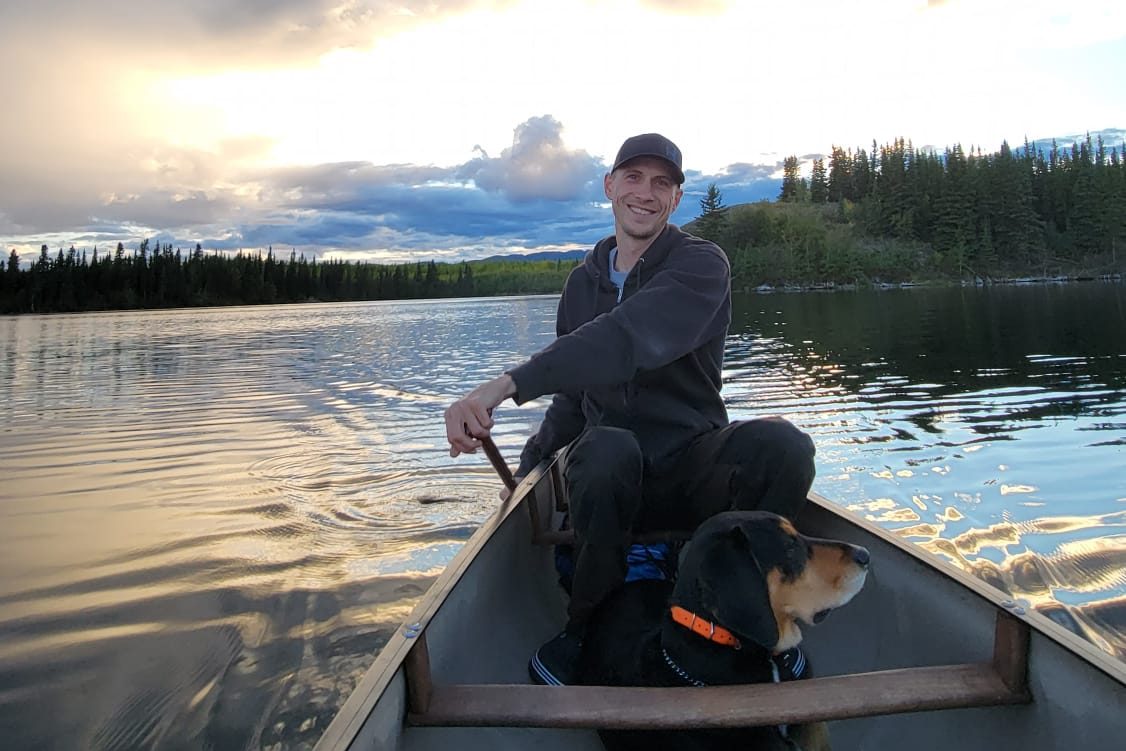
Paul is a settler interdisciplinary conservation scientist working at the intersections of social science, natural science, and local and Traditional Knowledge. His current research focuses on knowledge co-production of wildlife harvest values and management related to species of importance to local communities. His work is grounded in anti-colonial, feminist, Indigenous, and Western conservation research methodologies. Paul teaches the winter, summer, and fall ENCS field courses.
Jared Gonet
PhD Student
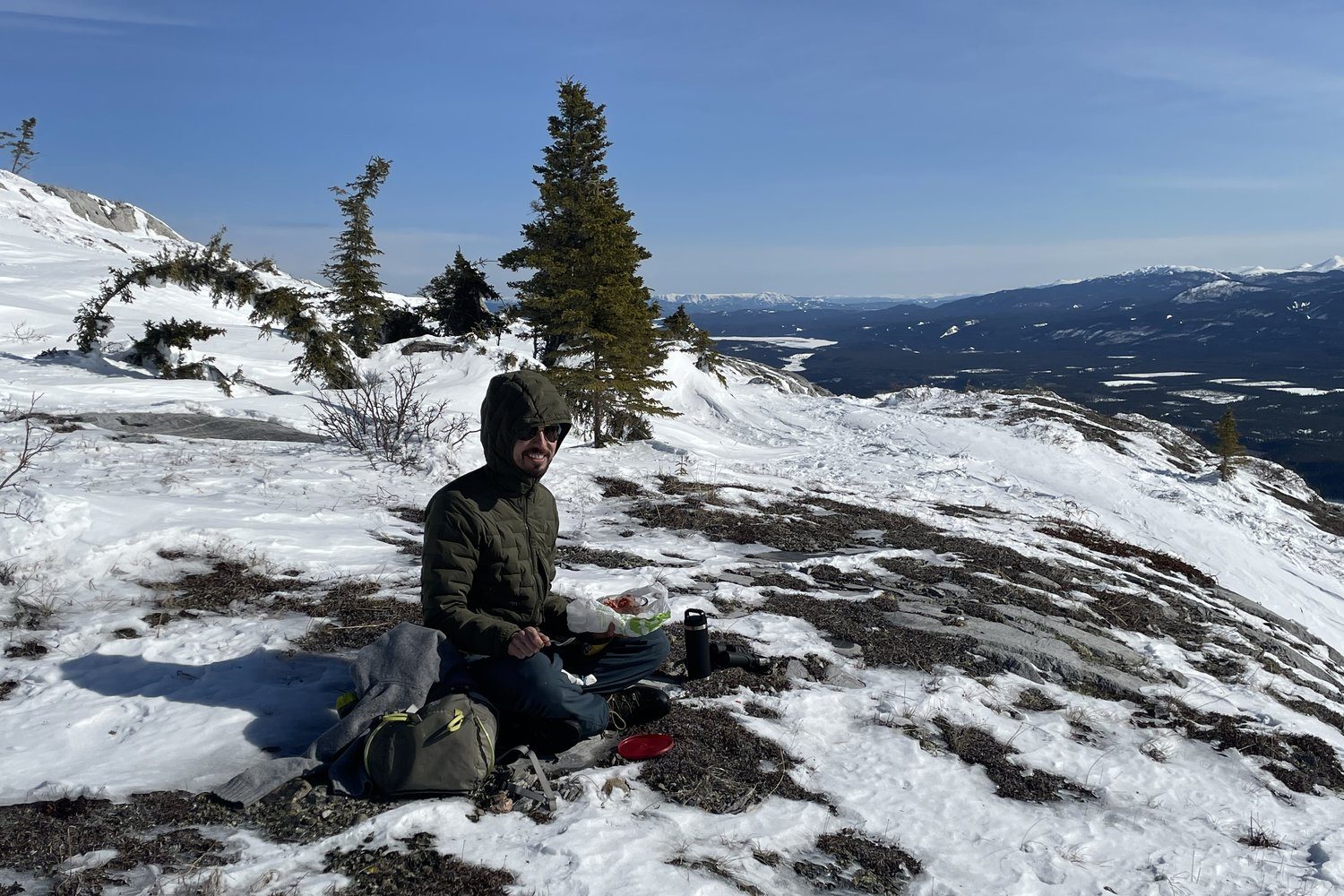
Jared Gonet is a born and raised Yukoner. He is a member of the Taku River Tlingit, with roots throughout the Yukon and Northwest Territories. Currently pursuing a PhD in Conservation Biology around biocultural indicators, he completed a MSc in Wildlife Ecology on Northern Mountain Caribou in 2019. A long-time runner, with a deep-appreciation for the North and its natural systems, large-landscape questions have always fascinated him. Backgrounds in studying industrial ecology, environmental science, and conservation planning have given him a deep appreciation of the need for harmonious human-ecological systems. Throughout his studies, work, and volunteering he hopes to bring forward Indigenous ways of knowing and seeing the world.
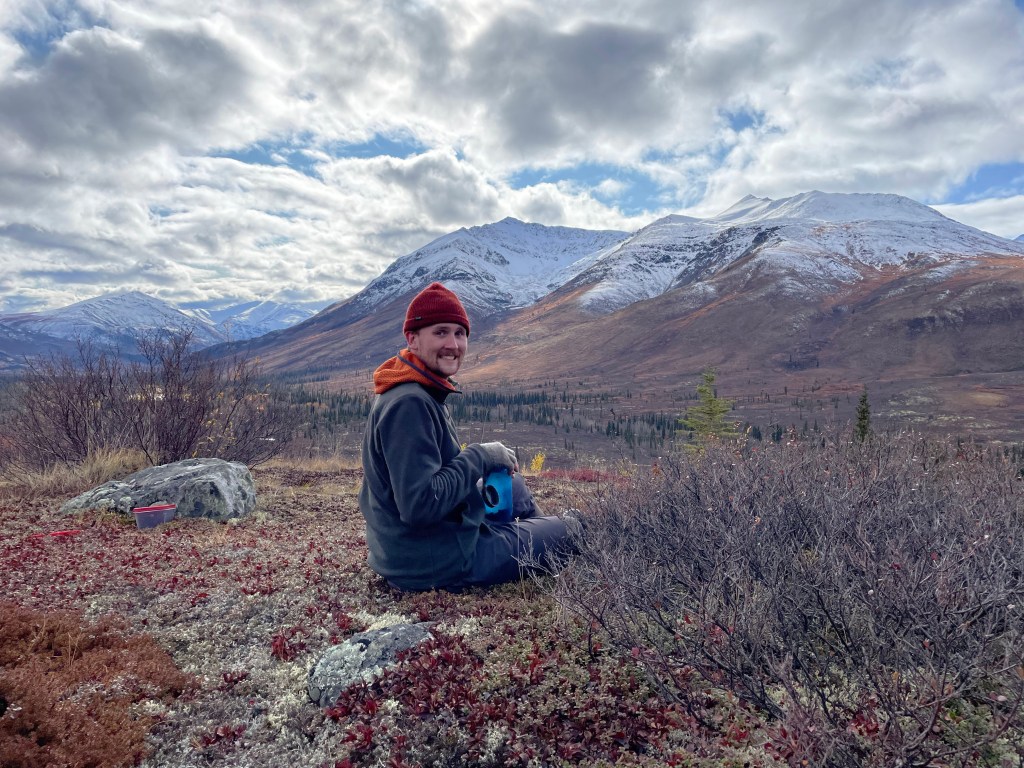
Aidan Burghardt
PhD Student
Aidan was born and raised in Edmonton, Alberta and has been working in partnership with Tr’ondëk Hwëch’in on his PhD since 2021. He lives in Whitehorse but makes frequent visits to Dawson and enjoys volunteering and participating in culture camps, especially Hide Camp. Aidan also loves spending time on the Land hunting, fishing, and berry picking.
Jaclyn Semple
PhD Student
Hello! I’m a physics/math/astronomy instructor at Yukon University and most of the time you’ll find me in the physics lab on campus. I also lead a small research group in the field of Wildland Fire Science where we have been working with Yukon Wildland Fire Management branch to develop an automated risk assessment model for wildfires in the Yukon. I recently started my PhD studies through the University of Alberta as part of the Canada Wildfire NSERC Strategic Network, co-supervised by Mike Flannigan (TRU/UAlberta), Mike Wotton (UofT), and Fiona Schmiegelow (UAlberta/YukonU).
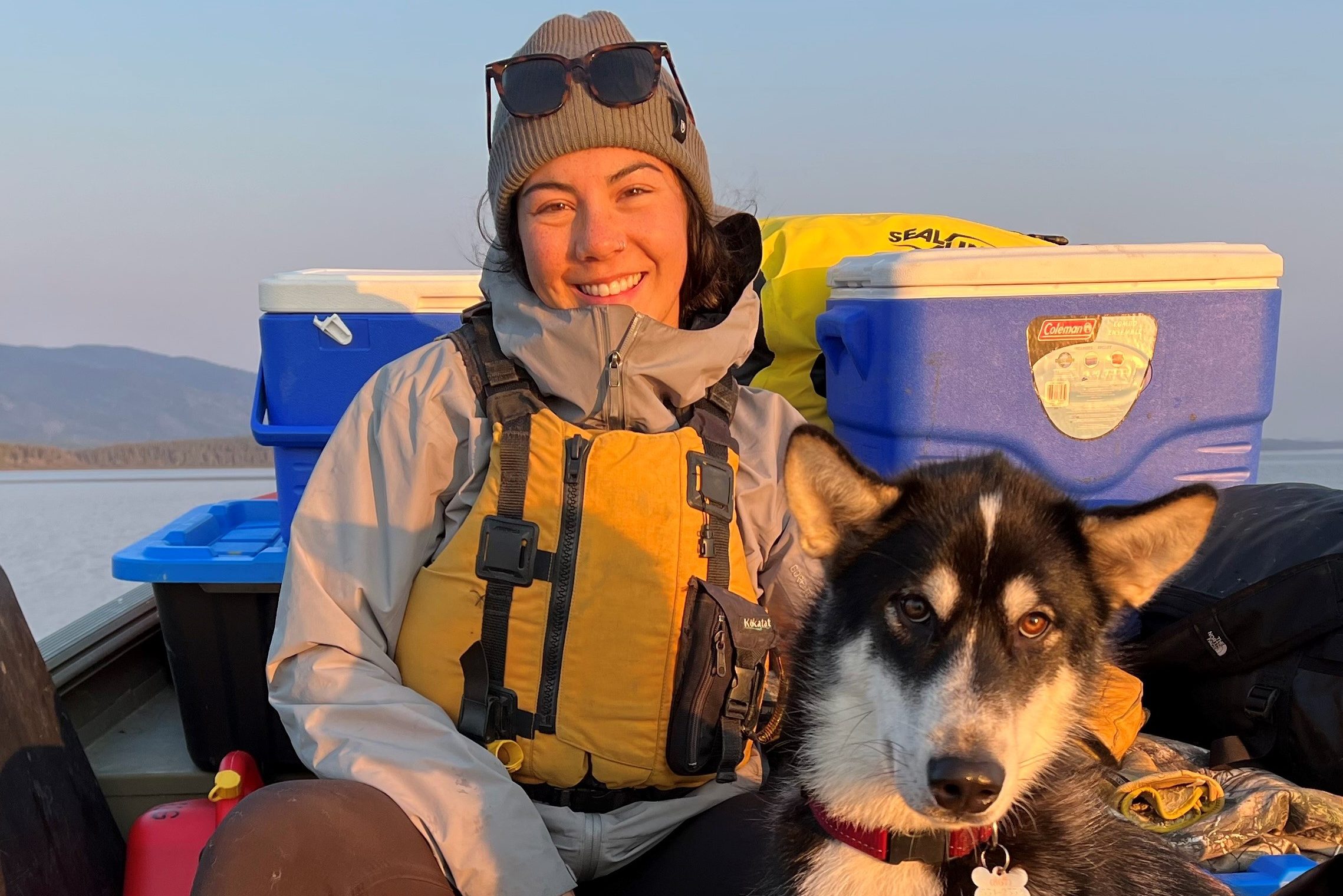
Anna Smith
MSc Student
Anna was born and raised in the Yukon, where her experiences in the outdoors fostered a deep appreciation for the natural world. As a master’s student, she is researching how human disturbance affects the density and distribution of jëjik (moose), a cultural keystone species in the Klondike Plateau. In collaboration with Tr’ondëk Hwëch’in First Nation and the Yukon Government, she is using remote camera traps and autonomous recording units to assess disturbance in an industrial landscape. Her research aims to integrate ecological data with THFN’s conservation priorities to support land-use planning and stewardship. Beyond her studies, Anna is an avid outdoors enthusiast, spending her free time skiing, mountain biking, hiking, and camping in the Yukon’s wilderness with her dog.
 Northern Systems Conservation Co-Lab